
Power That Plans Ahead: Red-E RSP80 Solar Power Bank (8 000mAh)
The Red-E RSP80 Solar Power Bank is designed as a solar-assisted backup rather than a primary solar charging system.
Why we chose it
Portable power is increasingly about resilience, not just convenience. We chose the Red-E RSP80 because it strikes a realistic balance between rechargeability, durability, and solar-assisted backup power, without overselling what compact solar devices can do.
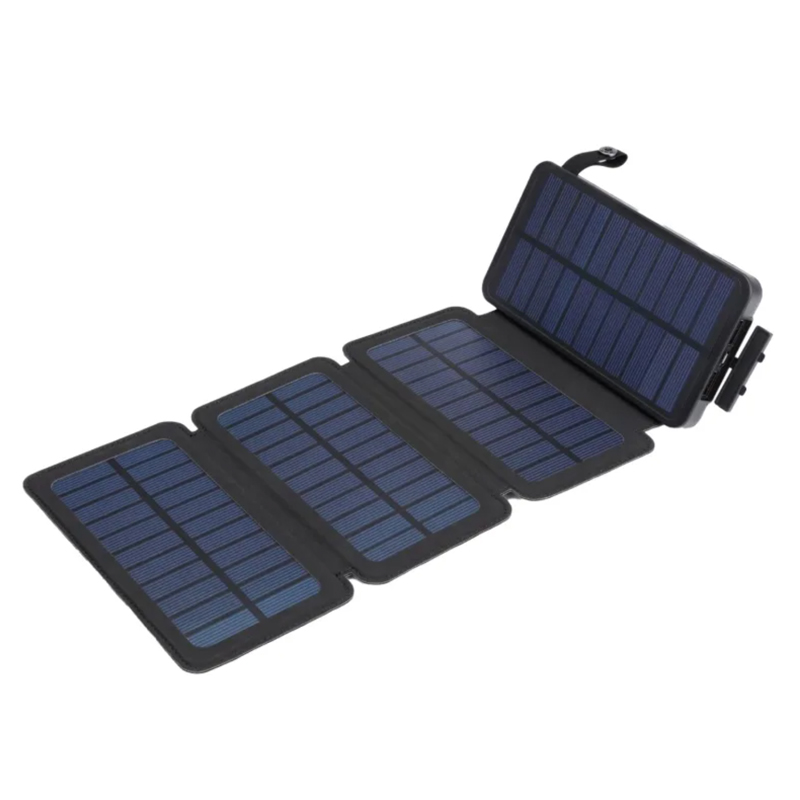
Rather than positioning solar as a miracle solution, this power bank uses four folding solar panels to meaningfully extend charging capability when you’re away from the grid. For camping, load shedding, travel, or emergency kits, the ability to top up power, even slowly, can make the difference between staying connected and going dark.
What it does well
At 8 000mAh, the RSP80 offers enough capacity to recharge smartphones, GPS units, lights, and small electronics while remaining portable.
Standout features include:
- Four-panel solar array, improving solar intake compared to single-panel designs
- Dual USB outputs (2.1A / 5V) for charging two devices simultaneously
- Rechargeable lithium-polymer battery chosen for improved safety
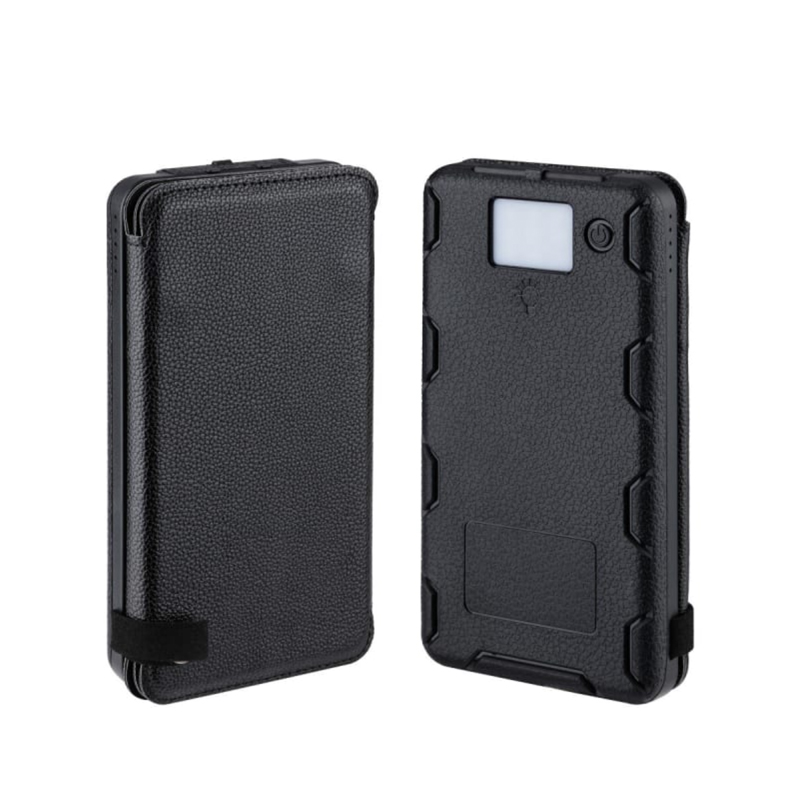
- Built-in LED light with three modes for emergency or campsite use
- Rubberised, impact-resistant casing designed for outdoor handling
Grid charging remains the fastest option (around 4.5–5 hours), while solar charging, approximately 12 hours in strong direct sunlight – works best as a supplementary or emergency source.
Environmental considerations (with context)
Solar power banks often promise more than they can realistically deliver. This product avoids that trap by being upfront about solar charging limitations.
From a sustainability perspective:
- The primary benefit lies in reusability and preparedness, not continuous solar-only operation
- Solar input helps reduce dependence on grid electricity and disposable batteries in specific scenarios
- Durable construction increases the chance the product stays in use longer, helping offset its material footprint
As with most electronics, the materials used are not biodegradable, and lithium batteries carry embedded environmental costs. The environmental value comes from how long and how often the product is used, not from its material makeup alone.
Trade-offs to be aware of
As with most products in this category, there are inherent trade-offs worth understanding:
- Solar charging is slow and highly dependent on sunlight conditions
- Capacity is suitable for phones and small devices, not extended off-grid power needs
- No information is provided on battery replacement or end-of-life recycling
This is a backup and resilience tool, not a replacement for larger power stations or full solar systems.
Who this is best for
✔ Campers, hikers, and overlanders needing backup power
✔ Households preparing for load shedding or outages
✔ Emergency kits where light, power, and charging matter
✔ Users wanting to reduce reliance on disposable batteries
Who it’s not for
✖ Users expecting fast, full solar charging
✖ Long-duration off-grid trips without any grid access
✖ Those seeking low-material or biodegradable electronics
Local availability note
Availability through local or regional retailers helps reduce unnecessary shipping impacts while improving access to backup power solutions for South African users.
The Eco Instincts take
The Red-E RSP80 earns its place as a realistic, solar-assisted power solution that favours preparedness and reuse over disposability. It doesn’t promise limitless clean energy, instead, it delivers dependable backup power with solar as a practical supporting feature.For everyday resilience and outdoor reliability, it’s a sensible step toward using less, reusing more, and staying powered when it counts.
Where to buy: Red-E RSP80 Solar Power Bank (8 000mAh)